In today’s reality, much of our time is shaped by screens.
Phones have become constant companions, and with them comes a certain level of pressure — a faster rhythm, a constant flow of information, and very little space to disconnect. It’s no surprise that more and more people are looking for ways to step away, even if only for a few hours.
For many, that place is the golf course. The fresh air, the natural light, the steady movement from one hole to the next, and the presence of others all contribute to a different rhythm, one that feels easier to follow.
But beyond being just a way to spend time, golf can take on a different role. In certain situations, especially when the mind is affected, it becomes more than just an activity. It gives people a way to stay engaged — something they can return to, without pressure, but with a sense of continuity.
UNDERSTANDING DEMENTIA BEYOND THE DIAGNOSIS
As dementia begins to make itself felt, the most challenging aspect is the effort to stay functional. Memory starts to slip, words don’t always come as easily, and simple decisions take more time than they used to.
Gradually, even familiar situations can become harder to navigate. In that context, what happens outside medical treatment matters just as much.
Staying active, even at a moderate level, has been linked to a lower risk of cognitive decline — not through intensity, but through consistency over time. Repeated actions such as walking, staying attentive, or responding to small, everyday situations help keep the mind engaged in a way that feels natural.
Being around others adds another layer to that. It supports orientation and maintains a sense of presence, even without deliberate effort.
These are not complex interventions. But once they become part of a routine, they can help slow the pace at which certain abilities begin to fade.
In the Lone Star State, golf reflects the landscape it is played on. Courses stretch across dry, open terrain in the west, move through the dense Piney Woods in the east, or follow the coastline further south.
The setting changes, but the structure of the game remains the same — a steady progression, a familiar sequence, a rhythm that doesn’t require adjustment every time. That consistency becomes relevant in ways that go beyond the game itself.
FINDING YOUR PACE IN TEXAS GOLF
As the players arrive on the grass ready to start the game, things don’t happen all at once. There is movement, but in a slow and constant way.
There is daylight, which keeps everything clear and easier to follow. There are other people around, without the pressure of interaction.
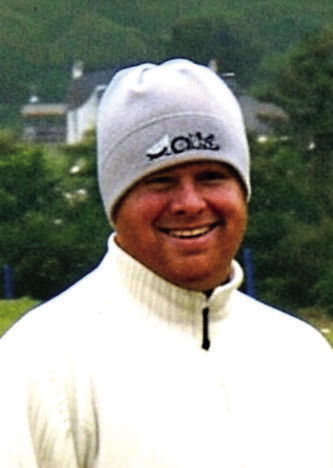
And from time to time, each shot involves a small moment of attention, keeping the mind engaged without pressure.
These elements — repetition, familiarity, and controlled engagement — align with what is needed to support cognitive function over time. They do not reverse the process, but they can help slow its progression by keeping both the mind and the body involved.
Working closely with golfers, I’ve seen that it’s rarely just about getting away. We do not believe in booking separate pieces, but in putting something together that fits how the time is actually spent.
Each detail matters — from the courses to the pace of the stay — and everything has to fall into place naturally, without forcing anything. The goal is always the same: to create an experience that feels right from the start.
In places like Horseshoe Bay, that approach becomes even more relevant. Courses such as Slick Rock, Apple Rock, and Ram Rock are close enough to be included within the same stay, which means there’s no need to move between different locations.
Everything happens in one setting, and that familiarity starts to matter. The days follow a similar structure — a round in the morning, time to rest, maybe a short practice session — without the pressure of keeping up with a strict schedule.
The experience is not about ticking off rounds, but about creating a rhythm people can follow. There is no expectation for the entire session to be completed in a single day, and several rounds can be spread over a few days. This kind of approach allows things to slow down when they need to, especially in situations where stability matters.
Life doesn’t have to stop when things are no longer as they were, even when confidence begins to fade. The pace may change, but it can still move forward.
And sometimes, the golf course helps you trust your own actions again — to take part, to decide, and to keep going.
About the Author
Sean Petersen is the founder of Golf Trip Junkie, where he designs tailored golf trips to top courses, drawing on his experience as a player.